Budgeting and forecasting (B&F) in the hospitality industry is critical to determine, formulate, and align short-term and long-term goals for an organization. This detailed process is typically managed by a company’s finance department under the Chief Financial Officer’s (CFO) guidance. During the B&F process, businesses will outline their financial direction, create a model of expectations for the next three to five years, allocate resources accordingly, and create a proper financial strategy to benefit the company.
Budgets and forecasts help hoteliers drive their financial performance by having a strong plan in place. To be successful while budgeting and forecasting, companies must identify their competitive advantages, such as having accurate financial reporting analytics, high growth, or increased predictive value. It’s also important to note that even though budgeting and forecasting go hand-in-hand, there are some key differences between the two.
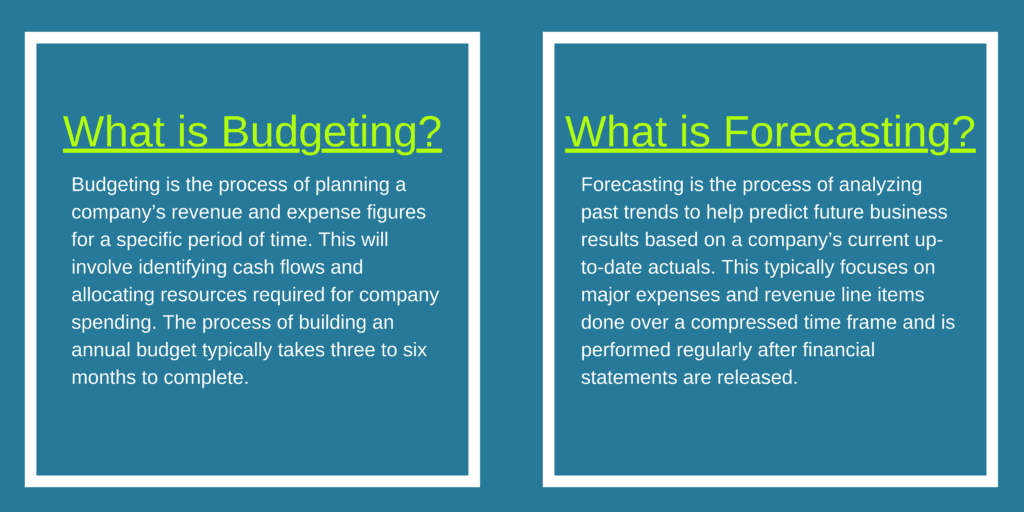
Building a Budget
When building a budget, companies should be as detailed as possible. A budget should include all planned revenue, a business’ fixed costs, and variable costs. When building, companies should:
- Understand and review required budget inputs
- Reflect and analyze previous budgets
- Formulate a plan as a team with C-suite executives, budget owners, and sales leaders
- Establish any capital expenditures that will be needed during the upcoming budgeting period
- Have financial statements prepared
- Identify key performance ratios, including KPIs, to compare to past budgets to help anticipate changes and incorporate current market changes
- Search for strategic growth opportunities and review the final budget
Generating a Forecast
Forecasts should be updated periodically during a budgeting period once the company’s latest actuals are confirmed. This will give hoteliers insight into how their business is performing in relation to their budgeted goals. Here are some steps hoteliers should follow:
- Identify and determine key metrics to focus on
- Compile the most recent actuals documented and input them into a forecast template
- Choose a focused time frame
- Calculate trends based on historical data and year-to-date actuals
- Utilize trend calculations with real-time numbers to calculate forecast results. Make sure to include and plan for any potential variables that could skew results
Tips When Building a Budget
During budget season, hoteliers should try to plan out, on the front end, their budget for all of their hotels. Sometimes it is hard to collect the entirety of this information, but by creating a Dropbox or Share File for each property, companies can easily find, and store important information hotels use and to reference for budgeting season. This can include sending city event calendars for events that may affect or alter occupancy, including concerts, festivals, or major sporting events.
Being able to analyze data from previous data (actuals) helps hoteliers create their budget and forecast. This can help companies see and analyze past data to help predict future data or trends.
Being on the same page as your team will help in creating a budget and forecast. Companies can create small due dates for information to be submitted before the actual deadline so that there will be no steps missed or last-minute entries that may have been forgotten.
Note: One of the hard things that hoteliers face is having to collaborate with others who are also editing the budgeting and forecasting at the same time. Users must pay attention to who made certain changes, if a formula gets broken, or if someone is using or working on a different copy. Having a tool that encompasses communication and collaboration is key to being successful in budgeting and forecasting in a team setting.
Comparing outside data against your forecast is always critical during the budgeting and forecasting process. Some tools have customizable comparison columns so that comparison data is available while working. This could be actuals from previous years, property comparison, comparison against the forecast and budget, or even outside on-the-books data.
Budget and forecast processes are meant to bring organizations a variety of benefits. The process of creating a B&F should take into account any and all correlating financial information, including financial statements, balance sheets, and KPIs. A company’s budget and forecast should be a top priority and maintain clear accountability. During the creating process, hoteliers should be realistic and set clear decisions and expectations that reflect on the company’s vision as a whole. Overall, hoteliers should focus on creating organized goals to project their growth for the new year.